
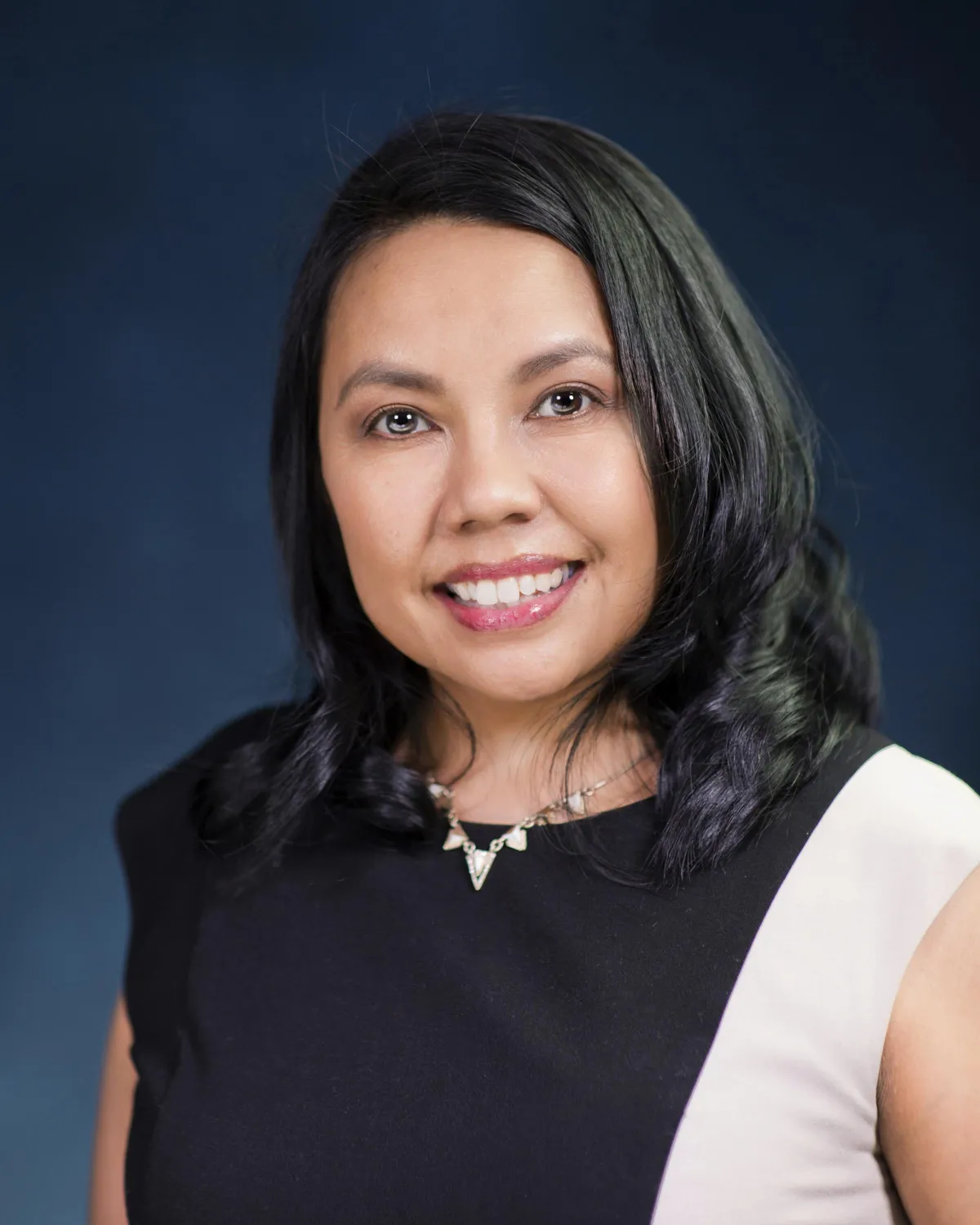

Your Personal Business Coach
Vince Abramo
I am a certified coach and trainer through the John Maxwell Team. I specialize in helping people achieve their personal goals. I take great pride in the progress and success of my clients, and look forward to helping you.
Services
My desire is to support you to achieve your goals and reach your dreams.

Consulting Services

Training Services

Coaching Services
Ms Vince Speaks
Education & Learning
Being a leader is difficult but it doesn’t have to be. Learn about how coaching can help you achieve your goals.

Coaching
I offer both one-on-one coaching and mastermind groups to help develop your skills.

Speaker
Book me for your next event to inspire the leaders in your company.

Leadership
I offer leadership development for both CEOs and mid-level managers.
"We cannot become what we need by remaining what we are."
- John C. Maxwell
"We cannot become what we need by remaining what we are."
- John C. Maxwell
Why Choose Bambooshoot?
YOUR JOURNEY TO SUCCESS STARTS HERE
I am on this journey with you and will be your confidant, provide you honest feedback, and challenge your assumptions. My coaching will provide an objective point of view, help you discover how to save you time and money, breakthrough your limiting beliefs, change your mindset, and help you get to exponential growth.
BE LIKE THE BAMBOO
The bamboo shoot symbolizes the three pillars of the coaching system: strength, flexibility, and growth. Bamboo establishes strength through miles of root, bamboo bends in the wind and is fine with change, and bamboo grows exponentially once it has established it’s root system. Like the bamboo, clients find their true fortitude, expand their thinking, and flourish with new self awareness.
About Vince
Through my own growth I have gained insight into people’s gifts and their capacity to provide their purpose in their authentic self. My coaching will allow you to discover your capability and create a mindset to influence your desired target. I find joy in witnessing the change of individuals and groups when they have removed the obstacles in their own beliefs. I am a certified coach and trainer through the John Maxwell Team.
I have a heart for the mission of nonprofits and business to fulfill the community’s needs. I have a degree in Public Administration and certifications in conflict re5 Columnsolution, nonprofit management, and volunteer management.
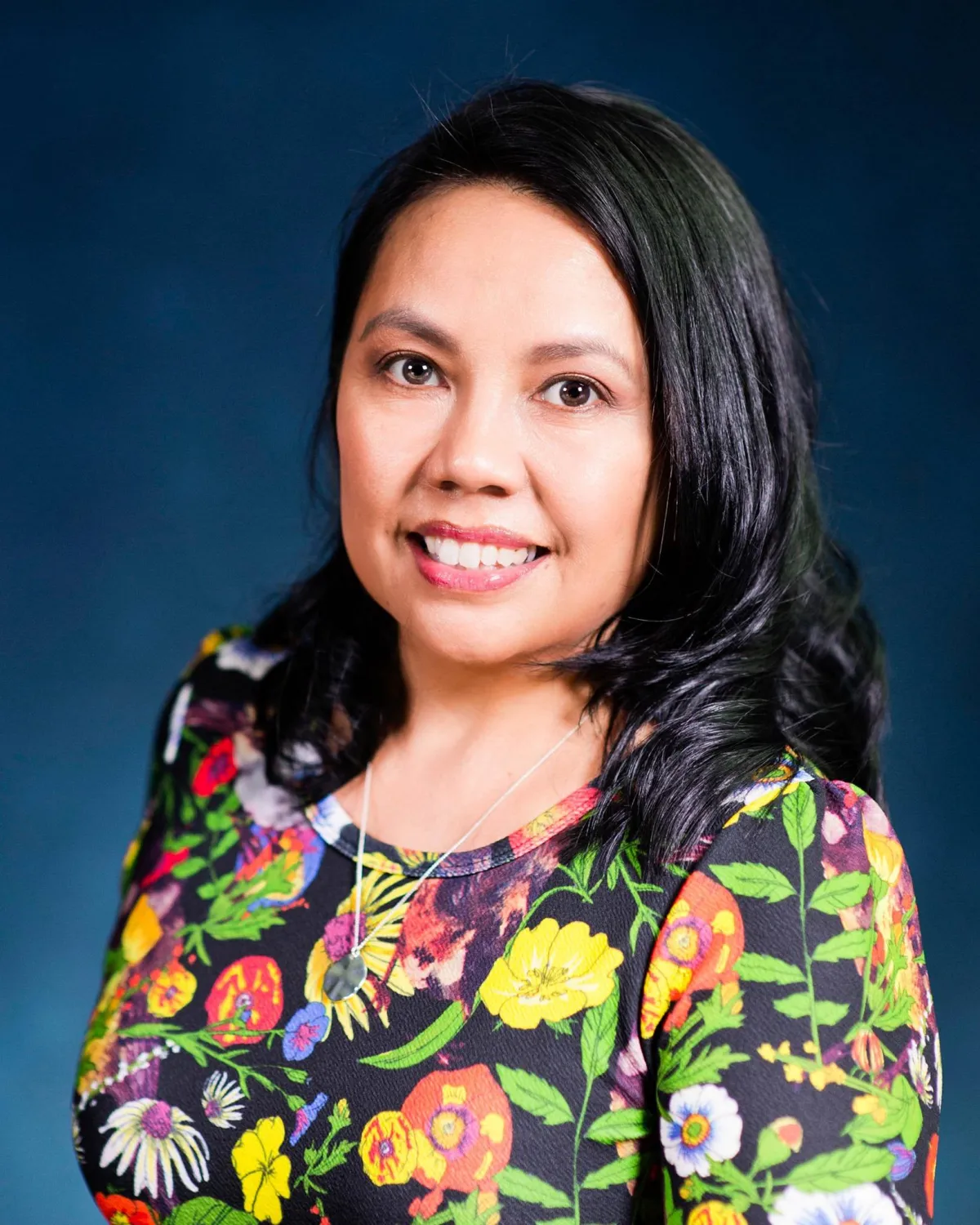
About Vince
Through my own growth I have gained insight into people’s gifts and their capacity to provide their purpose in their authentic self. My coaching will allow you to discover your capability and create a mindset to influence your desired target. I find joy in witnessing the change of individuals and groups when they have removed the obstacles in their own beliefs. I am a certified coach and trainer through the John Maxwell Team.
I have a heart for the mission of nonprofits and business to fulfill the community’s needs. I have a degree in Public Administration and certifications in conflict re5 Columnsolution, nonprofit management, and volunteer management.

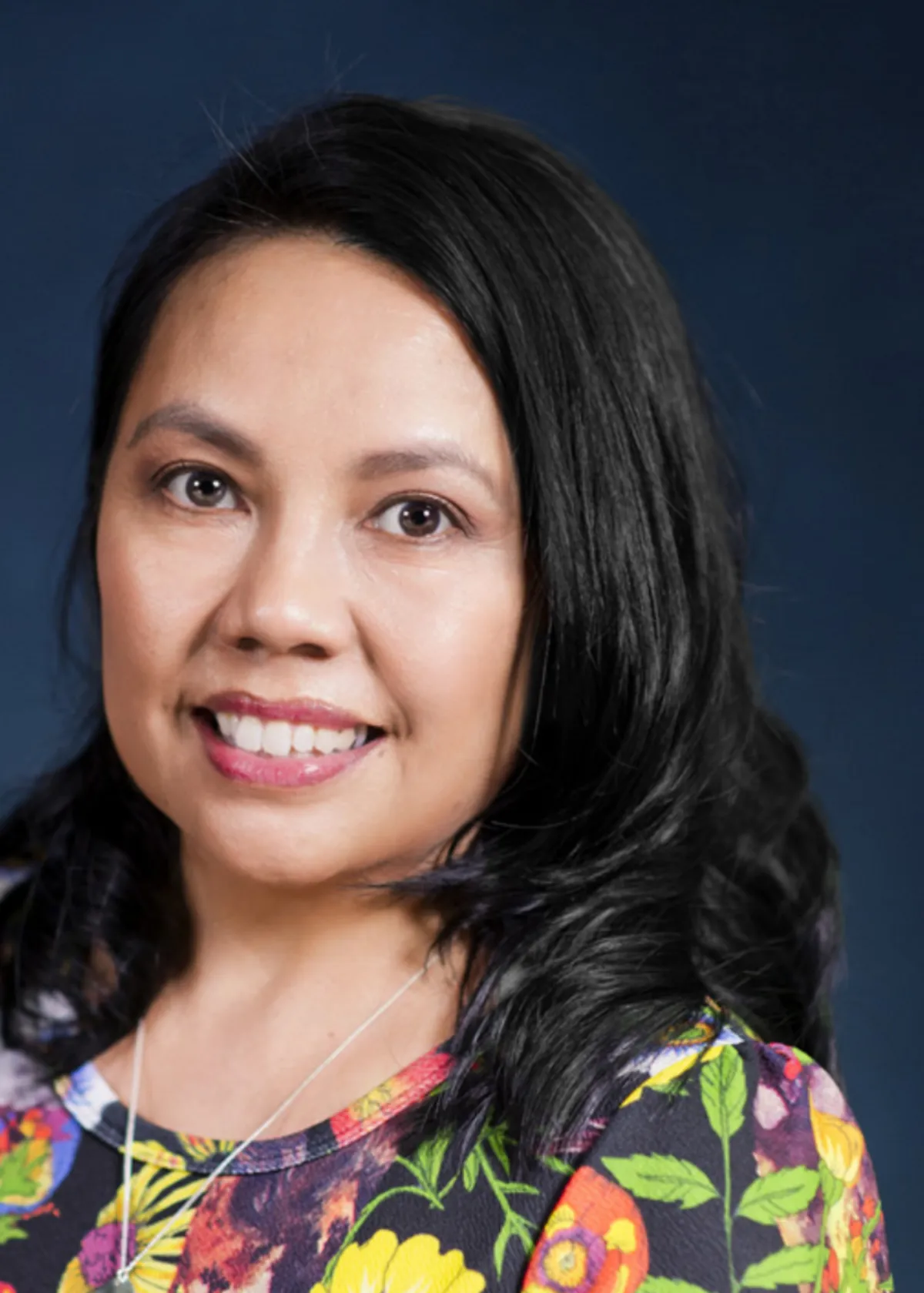
Book an
Appointment
Get updated with my tips and news
Tips for Success Sent to Your Inbox
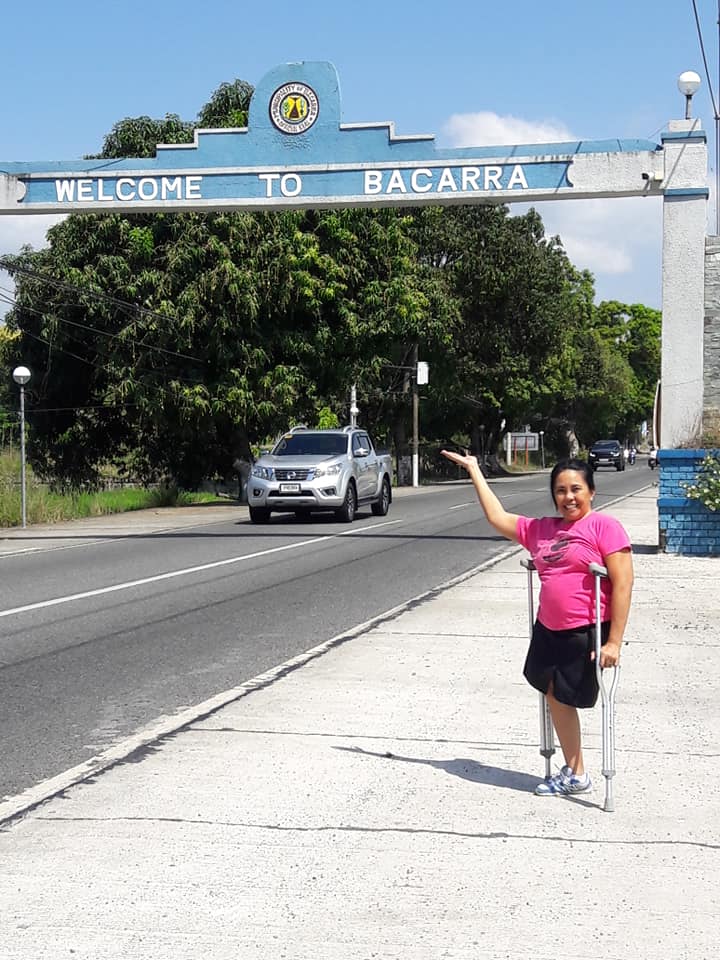
Living In Between: What the Americans with Disabilities Act Means to Me
Every July 26, we celebrate the anniversary of the Americans with Disabilities Act (ADA), a landmark piece of legislation that has opened doors for millions of Americans. For me, the ADA isn't just a law—it's a reminder that access, dignity, and opportunity matter. It also reminds me that living with a limb difference has often meant living somewhere in between.
When I was about 15 years old on Kauaʻi, I applied for county programs that supported people with disabilities. I remember the clerk looking at me and kindly saying, "You can use your brain. You can work in a regular job." Because I was considered capable of working, I didn't qualify for those programs or disability compensation. At the time, I didn't fully understand what that meant. Looking back, I realize it was both encouraging and challenging. Someone saw my potential, but there was little recognition that I might still need support navigating a world that wasn't always designed for me.
Instead, I went to work. One of my first jobs was at the Pacific Missile Range Facility; where I served as the assistant to the assistant to the Commanding Officer. It was there that I learned one of the greatest lessons of my career: take pride in your work. My supervisor was incredibly organized, thoughtful, and professional. She believed that with hard work and dedication, I could succeed at any job. That belief stayed with me and helped shape how I approach every opportunity—as a coach, trainer, speaker, and business owner.
Years later, I still find myself living in that space between independence and accommodation. One of the few benefits I use is my disability parking placard. Even then, there are days when every accessible parking stall is already taken. During one renewal at the DMV, I was asked to provide proof of my disability. I jokingly suggested they could simply take a picture of me—I was born without my left leg. The people in line at the DMV around me looked just as confused as I was. Eventually, I asked my physician for the required documentation, and even she smiled with a puzzled expression. The paperwork wasn't difficult; it was the reminder that sometimes the obvious still needs to be proven.
For much of my life, I've felt like I was balancing two realities. On one hand, I've worked hard to demonstrate what I'm capable of accomplishing. On the other, I've had to advocate for understanding that having a limb difference doesn't mean I don't occasionally need accommodations. Those two truths can exist together. Independence and support are not opposites—they're partners.
One of the things I appreciate most about the ADA today is that it recognizes the incredible diversity within the disability community. Disability doesn't look just one way.https://adaanniversary.org/themes/july/#flag-disability-pride
The Disability Pride Flag reflects that beautifully:
Red represents physical disabilities.
Gold represents neurodiversity.
White represents invisible disabilities and undiagnosed conditions.
Blue represents emotional and psychiatric disabilities.
Green represents sensory disabilities, including deafness, blindness, and other sensory disabilities.
The faded black background acknowledges mourning and the ongoing impact of ableism and discrimination experienced by many within the disability community.
As a Brain Health Coach, communication coach, and conflict resolution practitioner, I've come to realize that every person carries something others may not see. Some differences are visible. Others are hidden. All deserve dignity.
The ADA is more than a law—it is an invitation to create workplaces, schools, and communities where people are valued for their strengths and supported in the ways they need. That's the kind of world I want to help build.

Living In Between: What the Americans with Disabilities Act Means to Me
Every July 26, we celebrate the anniversary of the Americans with Disabilities Act (ADA), a landmark piece of legislation that has opened doors for millions of Americans. For me, the ADA isn't just a law—it's a reminder that access, dignity, and opportunity matter. It also reminds me that living with a limb difference has often meant living somewhere in between.
When I was about 15 years old on Kauaʻi, I applied for county programs that supported people with disabilities. I remember the clerk looking at me and kindly saying, "You can use your brain. You can work in a regular job." Because I was considered capable of working, I didn't qualify for those programs or disability compensation. At the time, I didn't fully understand what that meant. Looking back, I realize it was both encouraging and challenging. Someone saw my potential, but there was little recognition that I might still need support navigating a world that wasn't always designed for me.
Instead, I went to work. One of my first jobs was at the Pacific Missile Range Facility; where I served as the assistant to the assistant to the Commanding Officer. It was there that I learned one of the greatest lessons of my career: take pride in your work. My supervisor was incredibly organized, thoughtful, and professional. She believed that with hard work and dedication, I could succeed at any job. That belief stayed with me and helped shape how I approach every opportunity—as a coach, trainer, speaker, and business owner.
Years later, I still find myself living in that space between independence and accommodation. One of the few benefits I use is my disability parking placard. Even then, there are days when every accessible parking stall is already taken. During one renewal at the DMV, I was asked to provide proof of my disability. I jokingly suggested they could simply take a picture of me—I was born without my left leg. The people in line at the DMV around me looked just as confused as I was. Eventually, I asked my physician for the required documentation, and even she smiled with a puzzled expression. The paperwork wasn't difficult; it was the reminder that sometimes the obvious still needs to be proven.
For much of my life, I've felt like I was balancing two realities. On one hand, I've worked hard to demonstrate what I'm capable of accomplishing. On the other, I've had to advocate for understanding that having a limb difference doesn't mean I don't occasionally need accommodations. Those two truths can exist together. Independence and support are not opposites—they're partners.
One of the things I appreciate most about the ADA today is that it recognizes the incredible diversity within the disability community. Disability doesn't look just one way.https://adaanniversary.org/themes/july/#flag-disability-pride
The Disability Pride Flag reflects that beautifully:
Red represents physical disabilities.
Gold represents neurodiversity.
White represents invisible disabilities and undiagnosed conditions.
Blue represents emotional and psychiatric disabilities.
Green represents sensory disabilities, including deafness, blindness, and other sensory disabilities.
The faded black background acknowledges mourning and the ongoing impact of ableism and discrimination experienced by many within the disability community.
As a Brain Health Coach, communication coach, and conflict resolution practitioner, I've come to realize that every person carries something others may not see. Some differences are visible. Others are hidden. All deserve dignity.
The ADA is more than a law—it is an invitation to create workplaces, schools, and communities where people are valued for their strengths and supported in the ways they need. That's the kind of world I want to help build.
WORKING HOURS
Monday – Friday
8am-6pm
Saturday - Sunday
9am to 4pm
CONTACT
WORKING HOURS
Monday – Friday
8am-6pm
Saturday - Sunday
9am to 4pm
CONTACT